Why Spinning Classes Work Well for Corporate Wellness and Team Energy
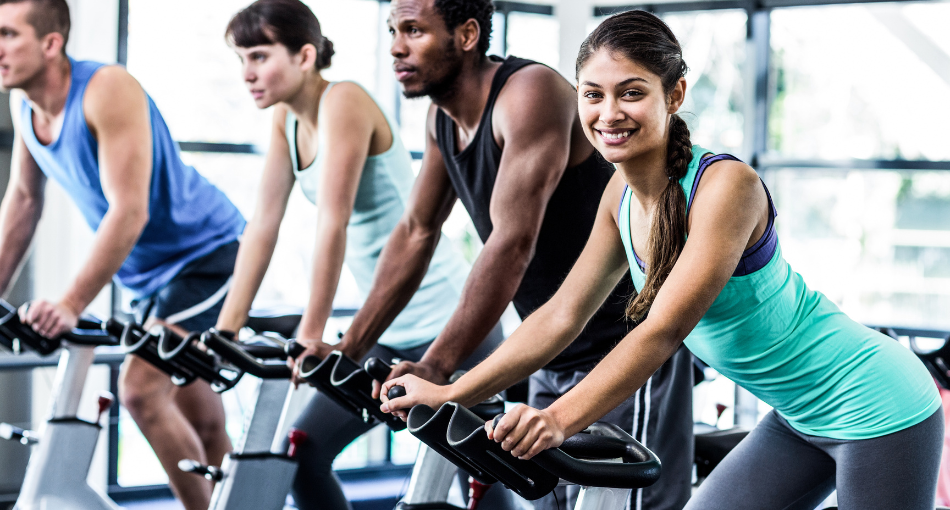
Corporate wellness programmes are most effective when they combine health benefits with strong participation. Many employees may not engage with passive wellness content, and some may feel intimidated by competitive fitness events. Spinning classes offer a practical middle ground: structured, energetic, low impact and easy to adapt for different fitness levels.
For companies considering spinning classes as part of workplace wellness, the format can support both employee wellbeing and team energy. A cycling class gives employees a shared challenge, a stress outlet and an engaging way to move together.
Spinning creates active participation
Wellness works best when employees do more than listen. Spinning gets people moving. The class format encourages participation through music, coaching and rhythm.
Employees do not need to design their own workout. They follow the instructor and adjust intensity on their own bike.
This makes spinning practical for teams because the session is structured and easy to join.
Low impact movement suits mixed fitness levels
Corporate groups often include employees with different fitness backgrounds. Some may train regularly, while others may be returning to exercise. Spinning allows each participant to control resistance and pace.
This makes the class more inclusive than many high-impact group workouts. Employees can participate together while working at their own level.
Inclusive wellness encourages more people to join.
Group energy supports team bonding
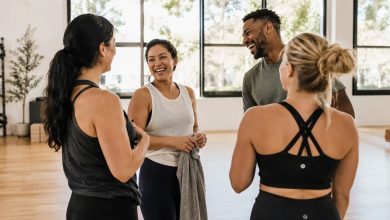
A spinning class creates shared effort. Employees ride through the same session, follow the same music and complete the same challenge. This can build team connection outside the normal work setting.
The shared experience can feel energising and positive. It gives colleagues something to talk about beyond projects and deadlines.
Team bonding does not always need formal activities. Movement can create connection naturally.
Spinning helps release workplace stress
Workplace stress often builds through meetings, deadlines and screen time. Spinning provides a physical outlet for that stress. The combination of cardio effort and music can help employees reset.
After class, participants may feel more energised and mentally refreshed. This can improve morale and help employees return to work with a clearer mindset.
Stress relief is one of the strongest reasons to include active wellness options.
Scheduling can be flexible
Spinning can work as a lunchtime activity, after-work class or special wellness event. The fixed class length makes it easier to plan than open-ended activities.
Companies can test different timings to see what employees prefer. Some teams may like evening sessions, while others may prefer midday movement breaks.
A fitness destination such as True Fitness Singapore can support teams looking for structured cycling experiences in a professional fitness environment.
Spinning feels energetic without being overly complex
Some fitness activities require skill, coordination or equipment knowledge. Spinning is relatively simple to follow. Participants ride a bike, listen to cues and adjust resistance.
This makes it less intimidating for corporate groups. Employees do not need advanced technique to participate, although proper setup is still important.
The simplicity helps reduce barriers to entry.
Leadership involvement improves culture
When leaders join wellness activities, employees often feel more comfortable participating. A spinning class is a good setting because everyone follows the same instructor and controls their own effort.
Leadership participation shows that wellness is valued. It also helps reduce the idea that taking time for health is separate from professional performance.
A healthy work culture needs visible support.
The goal should be wellness, not competition
Corporate spinning should be positioned as a wellness activity, not a test of fitness. Employees should feel free to adjust resistance and pace.
Friendly energy is useful, but pressure can reduce participation. The class should encourage movement, confidence and stress relief.
When the experience feels positive, employees are more likely to engage again.
FAQ
Is spinning too intense for employees who do not exercise regularly?
It can be adjusted. Each rider controls resistance and pace, so beginners can work at a manageable level while still joining the group.
Should a corporate spinning session be competitive?
Not necessarily. A wellness-focused session is usually better. The goal should be participation, energy and stress relief rather than ranking employees.
What is the best time for a company spinning class?
It depends on the team. Lunchtime, after work or wellness days can all work. Employee feedback can help choose the best timing.
Can spinning improve team bonding?
Yes. Shared physical effort can create connection and positive team energy, especially when the class atmosphere is supportive.
Conclusion
Spinning classes work well for corporate wellness because they are structured, energetic, low impact and suitable for mixed fitness levels. They support movement, stress relief and team connection.
For Singapore companies, spinning can make wellness more engaging than passive activities. When employees enjoy participating, wellness becomes more meaningful and easier to sustain.